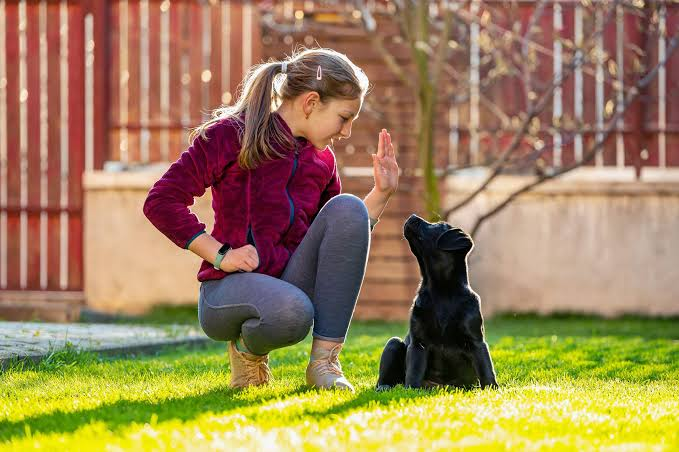
Puppy manners training is one of the most important foundations for raising a well-behaved, confident, and socially adaptable dog. Without early structure, puppies can quickly develop habits such as biting, jumping, excessive barking, or ignoring commands that become harder to correct over time. Effective puppy manners training is not about strict discipline it’s about communication, consistency, and guiding your puppy toward appropriate behavior in everyday situations.
In this guide, we’ll break down proven strategies used by professional trainers to help owners build better behavior patterns early. Whether you’re a first-time dog owner or looking to improve your puppy’s habits, these insights will help you create a calmer home environment and a stronger bond with your dog.
- Why Puppy Manners Training Matters
- Core Principles of Effective Puppy Manners Training
- Essential Puppy Manners Every Dog Should Learn
- Step-by-Step Puppy Manners Training Plan (First 30 Days)
- Common Puppy Training Mistakes to Avoid
- When to Seek Professional Help
- Building a Strong Bond Through Puppy Manners Training
- Final Thoughts
Why Puppy Manners Training Matters
Puppies are naturally curious, energetic, and still learning how to interact with the world. Without structured guidance, they rely on instinct, which often leads to behaviors humans find challenging. This is where puppy manners training becomes essential.
Good manners training helps puppies learn:
- How to interact calmly with people and other dogs
- When and where to relieve themselves
- How to walk politely on a leash
- How to manage excitement and impulse behavior
- How to respond to basic cues like “sit,” “stay,” and “come”
Early training also prevents long-term behavioral issues. Research in canine development consistently shows that experiences during the early months shape adult behavior patterns. By investing time in puppy manners training, owners reduce the likelihood of aggression, anxiety, and destructive habits later in life.
Core Principles of Effective Puppy Manners Training
Successful training is not about memorizing commands it’s about building habits through repetition and clear communication. The following principles are the foundation of effective puppy manners training.
Positive Reinforcement
Reward-based training is one of the most effective approaches for puppies. Instead of punishing mistakes, you reinforce correct behavior with treats, praise, or play. This helps your puppy associate good behavior with positive outcomes.
Examples include:
- Giving a treat when your puppy sits calmly instead of jumping
- Offering praise when they respond to their name
- Rewarding calm leash walking without pulling
Consistency
Consistency is what turns occasional success into lasting behavior. If one family member allows jumping while another discourages it, the puppy becomes confused.
To maintain consistency:
- Use the same commands across all household members
- Reinforce rules every time, not occasionally
- Keep training sessions short but daily
Socialization
Socialization is a major pillar of puppy manners training. Puppies need safe exposure to different environments, sounds, people, and animals. This builds confidence and reduces fear-based reactions later in life.
Proper socialization includes:
- Walks in different environments
- Controlled introductions to other dogs
- Exposure to household noises and visitors
Essential Puppy Manners Every Dog Should Learn
Before advancing to complex obedience skills, every puppy should master basic manners that shape daily behavior.
1. Leash Manners
Teaching your puppy not to pull on the leash makes walks safer and more enjoyable. Start in low-distraction areas and reward walking beside you.
2. Greeting People Politely
Jumping on guests is a common issue. Teach your puppy to sit when meeting new people and reward calm behavior.
3. Bite Inhibition
Puppies explore the world with their mouths. Redirect biting to toys and stop play when biting becomes too rough.
4. Potty Training Habits
Establish a routine for bathroom breaks. Consistency is key to preventing accidents inside the house.
5. Crate Training
A crate provides structure and safety when introduced properly. It also supports house training and reduces separation anxiety.
6. Recall (Coming When Called)
One of the most important safety behaviors in puppy manners training is teaching your puppy to return when called, even with distractions.
Step-by-Step Puppy Manners Training Plan (First 30 Days)
The first month of training sets the tone for long-term behavior. Here’s a simple breakdown:
Week 1: Foundation Building
- Introduce name recognition
- Begin crate training
- Start potty routine
- Short leash introduction sessions
Week 2: Basic Commands
- Teach “sit” and “stay”
- Begin reward-based reinforcement
- Introduce controlled socialization
Week 3: Leash and Impulse Control
- Practice leash walking daily
- Work on “leave it” command
- Reduce jumping during greetings
Week 4: Reinforcement and Real-World Practice
- Practice commands in outdoor environments
- Increase distraction levels gradually
- Reinforce all learned behaviors consistently
By following this structured approach, puppy manners training becomes a natural part of your puppy’s daily life rather than an overwhelming task.
Common Puppy Training Mistakes to Avoid
Even well-intentioned owners can unintentionally slow progress. Avoid these common mistakes during puppy manners training:
- Inconsistent rules: Allowing behaviors sometimes but not always
- Overusing punishment: This can lead to fear or anxiety
- Long training sessions: Puppies learn best in short bursts (5–10 minutes)
- Lack of socialization: Limited exposure can lead to fear-based behavior
- Expecting instant results: Training takes time and repetition
Understanding these mistakes helps owners stay patient and focused on long-term success.
When to Seek Professional Help
Some puppies require extra support, especially if behavioral issues develop early. If your puppy shows persistent aggression, extreme fear, or difficulty learning basic cues, working with a professional trainer can make a significant difference.
Professional programs like those offered by Rob’s Dog Training provide structured guidance tailored to your puppy’s temperament and behavior patterns. Trainers can help identify root causes of behavior issues and create a personalized plan for improvement.
Seeking help early is often more effective than trying to correct advanced behavioral problems later. Professional puppy manners training ensures both the owner and puppy receive clear, guided support.
Building a Strong Bond Through Puppy Manners Training
Beyond obedience, training is about connection. Puppies learn to trust their owners through consistency, patience, and positive interaction. When puppy manners training is done correctly, it strengthens communication and builds mutual respect.
Owners often notice that trained puppies are not only better behaved but also more confident and relaxed in different environments. This makes everyday life from walks to visitors far more enjoyable.
The key is to stay consistent, reward progress, and approach training as an ongoing relationship rather than a one-time task.
Final Thoughts
Puppy manners training is the foundation of raising a well-behaved and emotionally balanced dog. By focusing on positive reinforcement, consistency, and early socialization, owners can shape strong lifelong habits that prevent behavioral issues and strengthen the human-dog bond.
Whether you’re starting from scratch or refining existing behavior, the most important step is commitment. Small daily efforts lead to lasting results.
For owners looking for additional guidance or hands-on support, professional trainers like Rob’s Dog Training offer structured programs designed to help puppies succeed from the very beginning.
A well-mannered puppy doesn’t happen by chance it happens through thoughtful, consistent puppy manners training that grows with your dog every day.