


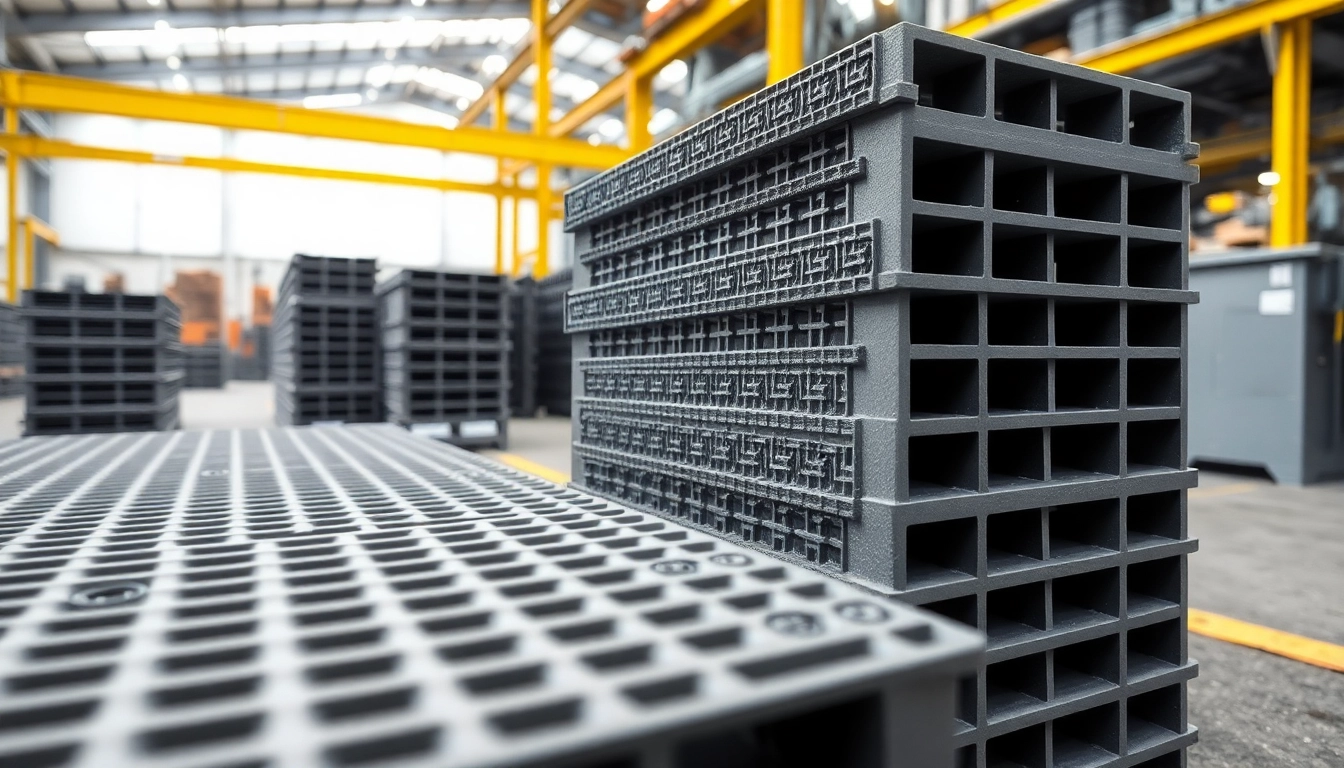
Understanding GRP Grating and Its Benefits
What is GRP Grating?
GRP (Glass Reinforced Plastic) grating is a composite material made from fiberglass and resin, designed specifically to meet the needs of industrial flooring solutions. This type of grating is known for its impressive strength-to-weight ratio, making it an ideal choice for environments where traditional materials like steel may not be feasible. The expansion of GRP applications can be traced to its increasing benefits across various industrial sectors, showcasing its essential role in modern infrastructure.
Advantages of Using GRP Grating
The advantages of utilizing GRP grating are manifold, significantly influencing its adoption across industries. Here are some core benefits:
- Corrosion Resistance: One of the most significant advantages of GRP is its resistance to corrosion, making it ideal for environments exposed to chemicals and moisture.
- Lightweight: GRP grating is significantly lighter than conventional materials, leading to easier handling and installation, thereby reducing labor costs and installation time.
- Durability: It can withstand heavy loads and impact forces, ensuring long-term performance without the need for frequent replacements.
- Safety Features: The non-slip surface of GRP grating enhances safety, especially in environments where slips and falls can occur.
- Versatility: GRP grating is available in various designs, colors, and sizes, providing flexibility for different applications.
Applications of GRP Grating in Various Industries
GRP grating has a wide range of applications across multiple industries, enhancing operational efficiency and safety. Its unique properties allow it to serve in:
- Oil and Gas: Used in platforms, walkways, and equipment access areas where exposure to harsh chemicals and environmental elements exists.
- Chemical Processing: Ideal for areas requiring high corrosion resistance due to the presence of aggressive substances.
- Wastewater Treatment: Utilized for walkways and platforms where moisture exposure is constant.
- Food Processing: The material meets health regulations, providing safe and hygienic surfaces for food handling areas.
- Power Generation: Applied in power plants where safety and durability under demanding conditions are paramount.
Why Choose a Quality GRP Grating Supplier?
Evaluating Supplier Certifications and Standards
When selecting a GRP grating supplier, it is crucial to evaluate their certifications and adherence to quality standards. Reliable suppliers will often comply with industry-specific certifications, ensuring the materials meet strict safety and performance criteria. Certifications such as ASTM or ISO should be considered as indicators of quality and reliability, providing peace of mind regarding the materials used in your projects.
Customer Service and Support Considerations
Effective customer service is a vital aspect of choosing a grating supplier. A supplier that offers responsive support can assist with inquiries regarding product specifications, installation guidance, and troubleshooting potential issues. Look for suppliers who provide educational resources, technical support, and warranty information, as this can significantly enhance your experience and confidence in the purchasing process.
Comparing Pricing Structures Among Suppliers
Pricing structures can vary widely between suppliers, making it essential to compare costs effectively. Understanding the total cost of ownership, which includes installation and maintenance expenses, can provide a clearer picture of value. In addition, consider the reputation and reliability of the supplier, as sometimes a lower upfront cost may lead to higher ongoing costs due to inferior products or lack of support.
Installation and Maintenance of GRP Grating
Best Practices for Installing GRP Grating
The installation of GRP grating requires adherence to certain best practices to ensure long-lasting performance:
- Site Preparation: Ensure the installation area is clean and prepared, allowing for smooth and even placement.
- Proper Tools: Utilize the appropriate tools for cutting and securing the grating to avoid damage.
- Follow Specifications: Consult grating specifications and installation guides provided by the supplier to maintain warranty compliance.
- Load Considerations: Consider the anticipated loads and adjust your installation strategy accordingly for structural integrity.
Maintenance Tips for Longevity
To ensure the longevity of GRP grating, regular maintenance is essential:
- Routine Inspections: Conduct regular checks for damage or wear, especially in high-traffic areas.
- Cleaning: Maintain cleanliness by removing debris and contaminants that could cause surface degradation.
- Repairs: Address any damages promptly, using manufacturer-recommended repair kits when necessary.
Common Issues and Solutions in GRP Grating
Though GRP grating is robust, issues can arise. Here are some common problems and their solutions:
- Deterioration: Over time, UV exposure can cause brittleness. Solution: Choose UV-stabilized GRP products and perform regular maintenance.
- Slipping: While grating is designed to be non-slip, wear can reduce its effectiveness. Solution: Inspect regularly and consider retexturing if necessary.
- Noisy Panels: Movement can cause noise. Solution: Ensure proper securing of panels during installation.
Environmental Impact of GRP Grating Products
Assessing Sustainability in Manufacturing
The environmental impact of GRP products is a significant consideration. Manufacturers focusing on sustainable practices, such as the use of renewable resources and ethical production methods, can minimize their footprint. Evaluating the supplier’s commitment to sustainability can influence decision-making and support responsible consumption.
Recycling Options for GRP Materials
As the usage of GRP increases, understanding the recycling options becomes vital. Some GRP materials can be repurposed or recycled at the end of their lifespan, mitigating environmental waste. Collaborate with suppliers who offer guidance on recycling and disposal methods, ensuring compliance with local regulations.
Impact on Energy Efficiency
GRP grating contributes to energy efficiency in industrial settings through its design and properties. By reducing the weight of structures, the energy required for installation can be lessened, and lower emissions are often associated with logistic operations. Furthermore, the longevity of the product translates to fewer replacements and reduced resource consumption over time.
Future Trends in GRP Grating Supply
Emerging Technologies in Grating Manufacturing
The ongoing evolution in manufacturing technologies is set to enhance GRP grating production. Innovations like advanced composite materials and automated manufacturing processes will likely improve strength, reduce waste, and lower costs, paving the way for smarter solutions in the industry.
Market Expectations and Consumer Demands
As consumer awareness surrounding environmental issues rises, there will be an increased demand for eco-friendly and sustainable products, including GRP grating. Suppliers need to adapt to changing expectations by innovating product offerings that meet these demands.
Innovations in Design and Material Usage
Future designs may incorporate integrated smart technologies that offer performance monitoring, enhancing the usability of GRP grating further. Continuous research and development will foster innovations allowing for greater adaptability to various industrial applications.
FAQs about GRP Grating
1. What is GRP grating made from?
GRP grating is primarily composed of fiberglass reinforced plastic, utilizing resin and fiberglass strands for a strong, lightweight material.
2. How is GRP grating installed?
Installation involves preparing the site, ensuring even placement, and securing the grating according to the supplier’s specifications.
3. Is GRP grating resistant to chemicals?
Yes, GRP grating is highly resistant to various chemicals, making it ideal for use in industrial settings with aggressive substances.
4. Can GRP grating be recycled?
Some GRP materials can be recycled or repurposed at the end of their life, though recycling options may vary based on local regulations.
5. What are the load-bearing capabilities of GRP grating?
Load-bearing capabilities depend on the specific type of GRP grating and should be verified according to product specifications provided by manufacturers.
For further insights into GRP grating and to explore various options, visit our GRP Grating Supplier website.

