1. Understanding the Austin Construction Landscape
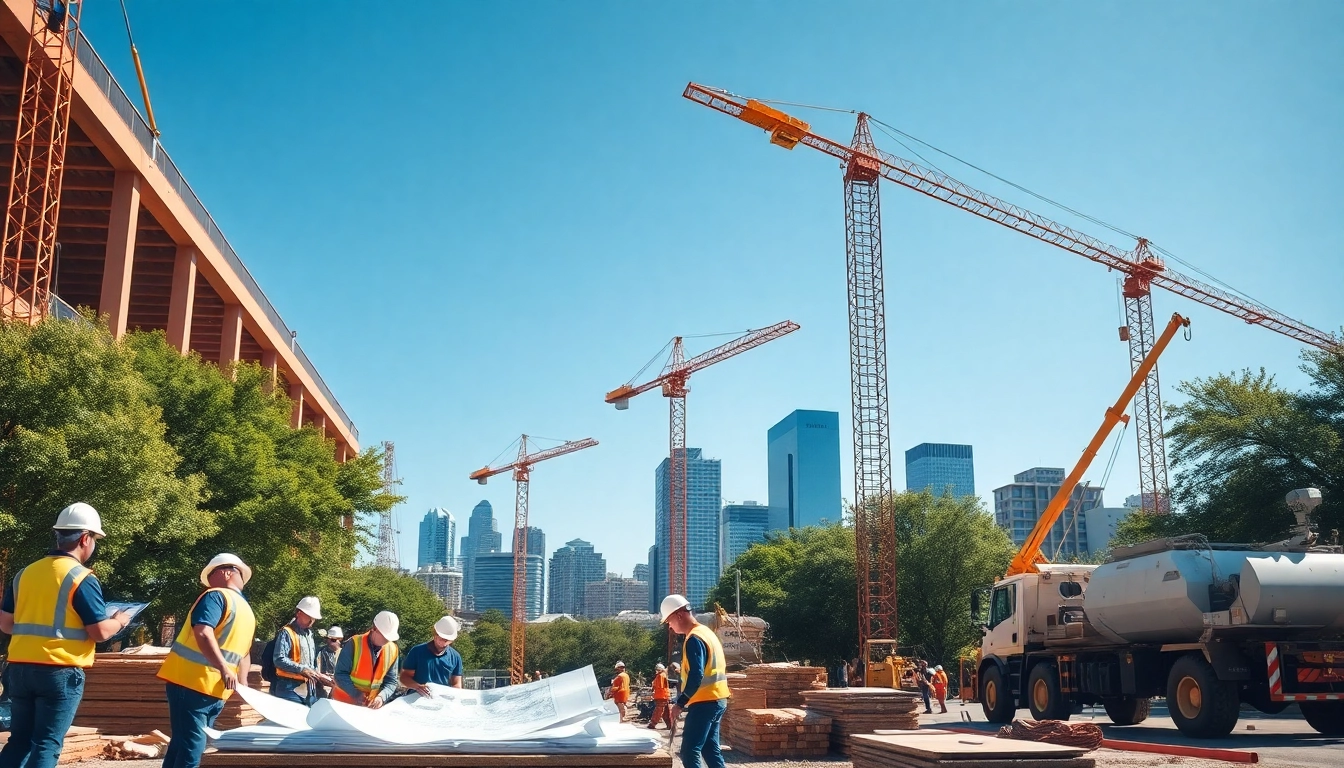
Austin, Texas, has become a focal point for new infrastructure and real estate development due to its booming population and vibrant economy. With a growing demand for residential and commercial spaces, the Austin construction industry is currently experiencing a dynamic evolution that encompasses innovative technologies, sustainable practices, and regulatory challenges. Understanding the current landscape of construction in Austin is crucial for stakeholders ranging from developers to local governments and homeowners alike.
1.1 The Rise of Austin's Infrastructure Projects
Austin has witnessed an unprecedented rise in infrastructure projects recently, driven by population growth projected to exceed 3 million residents by 2050. Major investments in transportation infrastructure, including the expansion of highways, light rail systems, and bicycle paths, are critical in addressing the growing urban density. The downtown area is currently undergoing extensive redevelopment with the construction of high-rise apartments, hotels, and mixed-use developments that aim to accommodate Austin’s rapid growth and its influx of tech companies.
1.2 Key Players in the Austin Construction Market
The Austin construction market features a diverse range of key players, including general contractors, specialists in various trades, local government agencies, and private investors. Established firms such as DPR Construction, Balfour Beatty, and Sundt Construction have significant footprints in the area, while an increasing number of local startups focusing on sustainable building practices also emerge. Collaboration among these entities is vital to ensure projects meet both the evolving needs of the community and regulatory standards.
1.3 Navigating Local Building Regulations and Permits
Navigating the complex building regulations in Austin can be challenging due to various zoning laws, permitting requirements, and sustainability guidelines. Construction professionals need to stay up-to-date with local ordinances and engage with the city's planning department early in the project lifecycle to streamline the permitting process. Utilizing tools like the City of Austin’s Development Services website can help contractors understand the necessary requirements and avoid common pitfalls.
2. Emerging Trends in Austin Construction Techniques
The Austin construction industry has been increasingly adopting innovative techniques and methodologies that reflect modern demands for sustainability, efficiency, and aesthetics. These trends are redefining how projects are initiated and completed, making it essential for industry professionals to stay ahead of the curve.
2.1 Sustainable Building Practices in Austin
As environmental consciousness grows, sustainable building practices are becoming a cornerstone of Austin's construction landscape. Encouraged by state and local policies such as the Austin Energy Green Building program, builders are integrating energy-efficient designs, utilizing renewable energy sources, and sourcing sustainable materials. Projects like the Green at HZ residential community exemplify the movement toward environmentally responsible construction, aimed at minimizing the carbon footprint while providing comfortable living spaces.
2.2 Innovative Material Usage in Construction
Innovation in material usage is a trend gaining traction in Austin’s construction sites. The adoption of prefabricated components, recycled materials, and advanced concrete mixes not only enhances durability but also reduces waste and construction time. Additionally, emerging materials like engineered wood products are increasingly utilized for mid-rise buildings due to their sustainability credentials and aesthetic appeal. Builders must stay informed about advancements in material science to leverage the benefits these innovations offer.
2.3 Technology Integration: Smart Solutions in Building
Technology integration has revolutionized construction practices in Austin. Building Information Modeling (BIM), drones for site surveying, and IoT devices for smart building monitoring contribute to greater efficiency, accuracy, and safety. Projects in Austin increasingly employ these technologies to streamline operations and improve collaboration among stakeholders. As these tools become more accessible, we expect more widespread adoption across various sectors in the construction industry.
3. Challenges Faced by Austin Construction Professionals
Even as the Austin construction market flourishes, industry professionals face several significant challenges that can impede project timelines and budgets. Recognizing and mitigating these challenges is essential for sustainable growth within the industry.
3.1 Labor Shortages and Skills Gaps in the Industry
The rapid growth of Austin’s construction industry has led to a labor shortage, exacerbated by a skills gap among workers entering the field. Many construction firms struggle to find qualified labor, leading to increased wages and project delays. Strategies such as partnering with local trade schools and investing in apprenticeship programs can help bridge the gap, ensuring a skilled workforce for the future.
3.2 Supply Chain Disruptions and Their Impact
Global supply chain disruptions, aggravated by the COVID-19 pandemic, have had a profound impact on the construction industry in Austin. Delays in material deliveries and increased costs have made managing budgets and timelines more complex. To navigate these disruptions, construction firms should implement proactive supply chain management strategies, such as diversifying suppliers and maintaining an inventory buffer to mitigate risks associated with material shortages.
3.3 Keeping Up with Design Innovations and Client Demands
Design innovations and evolving client demands require construction professionals to remain agile and adaptable. Clients increasingly seek bespoke designs that incorporate unique features and sustainable elements, which can stretch traditional building practices. The challenge lies in balancing creativity with practicality; construction firms must invest in ongoing education and training to stay current with trends and ensure they can meet client expectations without compromising on quality or safety.
4. Best Practices for Successful Construction Projects
To overcome challenges and ensure project success, construction professionals in Austin should adopt specific best practices that enhance collaboration, safety, and efficiency, ultimately leading to successful project outcomes.
4.1 Effective Project Management Strategies
Implementing effective project management strategies is critical for successful construction projects. Utilization of project management software facilitates real-time tracking of project progress and resource allocation. A clear communication plan among stakeholders ensures everyone is aligned on project goals, timelines, and expectations. Regular meetings to assess project status and address issues as they arise can help prevent delays and setbacks.
4.2 Collaborating with Contractors and Subcontractors
Collaboration between contractors and subcontractors is essential to ensure smooth project execution. Establishing a clear chain of command and fostering open lines of communication leads to a collective approach to overcoming challenges. Thoroughly vetting subcontractors and establishing mutual accountability can contribute to a culture of reliability, ultimately ensuring high-quality outcomes on construction projects.
4.3 Implementing Safety Protocols on Construction Sites
Safety should never be compromised on construction sites. Strict adherence to safety protocols, regular safety training sessions, and routine site inspections can significantly reduce accidents and liability. Implementation of practices such as wearing appropriate personal protective equipment (PPE), conducting safety orientation for all site workers, and using hazard identification strategies can cultivate a culture of safety, making every project a safer environment for workers.
5. Future Outlook for Austin's Construction Industry
The future of Austin's construction industry appears bright, with new opportunities on the horizon. However, stakeholders must remain vigilant to capitalize on these trends effectively and responsibly.
5.1 Predictions for Market Growth and Development
Market predictions suggest continued growth in Austin's construction sector, fueled by the influx of residents and businesses seeking to capitalize on the vibrant economy. Analysts anticipate further investment in infrastructure and housing, with an emphasis on mixed-use developments that cater to the increasing demand for urban living. As land becomes scarce, vertical construction may also rise as a practical solution to accommodating growth.
5.2 Emphasizing Resilience in Project Planning
As climate change becomes a central consideration in construction, future projects will necessitate resilient designs that withstand environmental challenges. Integrating resilience into project planning involves considering location, material choice, and innovative design elements that prioritize adaptability. This forward-thinking approach will be crucial for developers focusing on sustainability while also ensuring long-term value in their investments.
5.3 The Role of Technology in Shaping Future Projects
The role of technology will only expand in shaping future construction projects in Austin. Emphasis on smart buildings, data analytics for site operations, and AI-driven project management tools will redefine standards in efficiency and sustainability. As these technologies evolve and become more embraced, they offer exciting opportunities for improving not only project outcomes but also the overall experience for stakeholders from inception to completion.