
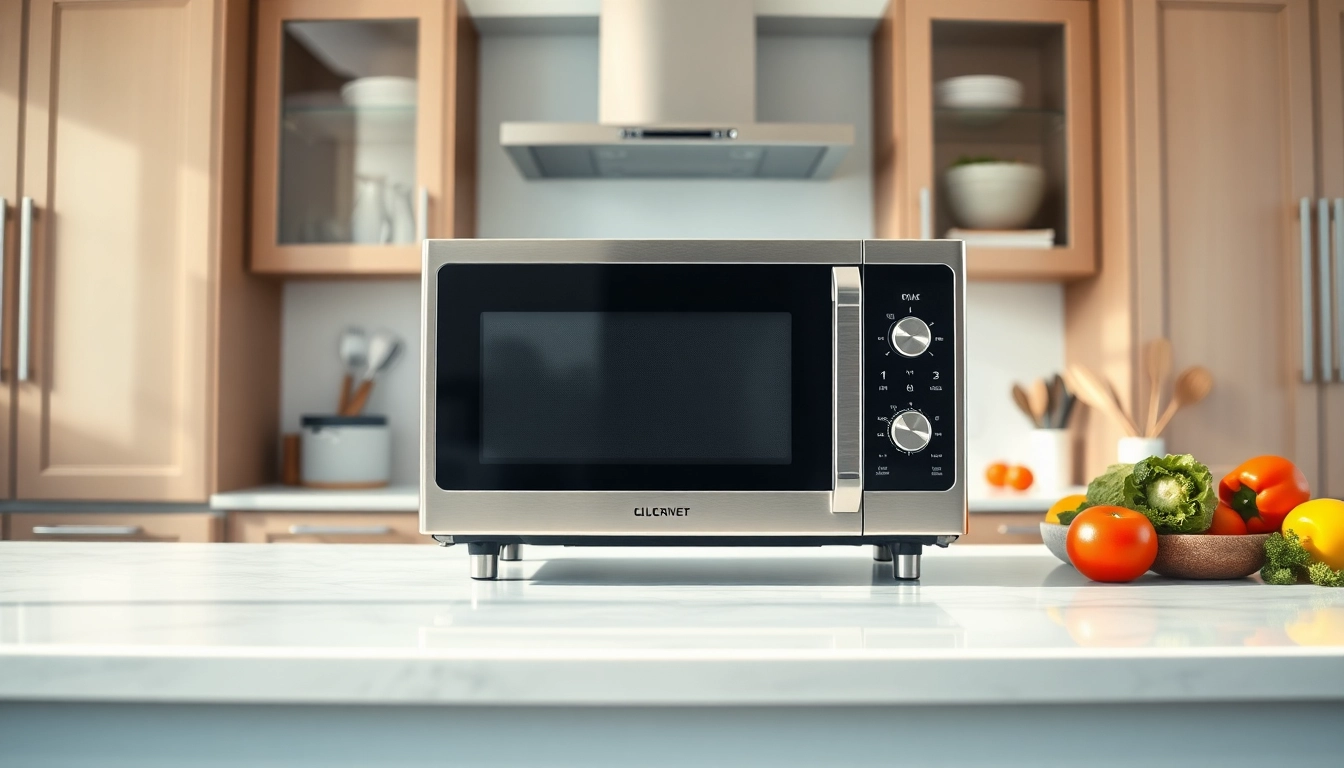
Understanding the Basics of Microwave Oven
What is a Microwave Oven?
A microwave oven is a kitchen appliance that provides an efficient way to heat and cook food using electromagnetic radiation within the microwave frequency range. The primary mechanism involves exciting water molecules in food, a process known as dielectric heating, leading to rapid cooking or reheating. These appliances are versatile and can be found in various forms, including countertop models, built-in units, and over-the-range designs. Modern microwave oven options come equipped with advanced features, making them essential tools in many kitchens.
How Microwave Ovens Work
Microwave ovens work by generating electromagnetic waves that target water molecules in the food. When these microwaves enter the food, they cause the water molecules to vibrate at a very high frequency, which generates heat through molecular friction. This heat cooks the food evenly and quickly. Key components of a microwave oven include the magnetron (the microwave generator), waveguide (which directs the microwaves), and the turntable (ensures even heating by rotating the food). Understanding this process can help users adapt their cooking techniques for better outcomes.
Common Types of Microwave Oven
There are several types of microwave ovens available, each serving different needs and preferences:
- Countertop Microwaves: These portable units are the most common. They are versatile and can fit in any kitchen or dorm.
- Over-the-Range Microwaves: These models combine both a microwave and a range hood, saving counter space and providing venting options.
- Built-in Microwaves: Installed directly into cabinetry for a seamless look, these can often be found in modern kitchen designs.
- Convection Microwaves: These ovens utilize a fan to circulate hot air, allowing for more even cooking and baking.
Key Features to Consider in a Microwave Oven
Power Levels and Efficiency
The power level of a microwave is measured in watts, with typical units ranging from 600 to 1200 watts. Higher wattage results in faster cooking. It's essential to consider how power levels affect cooking efficiency; a 1000-watt microwave oven will generally cook food more evenly and quickly than lower-wattage models. Additionally, features like inverter technology, which maintains a consistent temperature, enhance efficiency by preventing overheating and preserving food quality.
Size and Space Requirements
When choosing a microwave oven, size is a critical factor. Countertop models require sufficient counter space, while built-in and over-the-range options must fit specific dimensions within cabinetry. Measure available space accurately before purchasing to ensure the microwave fits comfortably without disrupting kitchen flow. Additionally, consider the interior capacity, measured in cubic feet, to ensure that it meets your cooking needs.
Special Features and Functions
Modern microwave ovens come with features designed to enhance user experience, including:
- Sensor Cooking: This technology monitors cooking progress and automatically adjusts time and temperature.
- Pre-programmed Settings: One-touch buttons for popular foods (e.g., popcorn, pizza) simplify the cooking process.
- Child Safety Locks: Particularly important for families, these locks prevent accidental start-ups.
- Steam Cooking: Some microwaves offer steam cooking options, which can retain nutrients and enhance flavor.
- Eco Mode: This feature conserves energy when the microwave is not in use.
Benefits of Using a Microwave Oven
Time-Saving Cooking
One of the main advantages of a microwave oven is its ability to significantly reduce cooking time. Traditional ovens may require preheating and longer cooking periods, while microwave ovens can tackle these tasks in a fraction of the time. For individuals with busy schedules, microwave cooking is ideal for quick meals, reheating leftovers, and defrosting food. This can lead to a more efficient use of time in meal preparation.
Energy Efficiency
Microwave ovens are more energy-efficient than conventional ovens because they heat food directly, rather than heating the oven chamber and the surrounding air. They also consume less electricity, making them a cost-effective choice for energy-conscious consumers. By using a microwave oven for cooking tasks that require less energy, households can reduce their overall energy bills.
Versatility in Cooking
Despite popular belief, microwave ovens are not just for reheating leftovers. They can sauté, steam, bake, and even brown food. With the advent of convection technology in some models, microwaves have become increasingly versatile. This adaptability can add variety to a cooking repertoire and can even be used for tasks such as cooking desserts, making sauces, or steaming vegetables, expanding culinary options.
Common Microwave Oven Problems and Solutions
Microwave Oven Won't Heat
If a microwave oven is running but not heating food, several issues might be at play. The magnetron, which generates the microwaves, may be faulty, or there might be problems with the power supply. Additionally, components like the high-voltage capacitor and diode could be malfunctioning. In such cases, it’s advisable to consult a professional technician for repairs, as issues might involve potentially dangerous electrical components.
Turntable Not Functioning Properly
A turntable malfunction can lead to uneven cooking. Check if the turntable is properly seated on its support. If it still doesn't spin, the motor or roller guide might need replacement. Most microwaves come with a removable turntable that makes cleaning and accessing the components easier. Regular checks can prevent food from only partially cooking due to the failure of this important feature.
Strange Noises from the Microwave Oven
If you hear unusual noises—like popping, rattling, or buzzing—when using the microwave, it could indicate a problem. Popping sounds may occur if food is wrapped in foil or if there's moisture in food that may be vaporizing. Rattling might come from loose parts or a misaligned turntable. Maintenance, such as periodic cleaning and checking the internal components, can prevent these issues.
Frequently Asked Questions about Microwave Oven
How do I choose the right microwave oven size?
Consider the available kitchen space, the intended use, and the amount of food you typically prepare. Countertop models save space, while built-in ovens offer a seamless look.
Can a microwave oven cook food as well as a regular oven?
While a microwave oven cooks food differently, it can heat and prepare a wide variety of foods quickly, though baking may be less effective compared to a conventional oven.
What is the difference between countertop and built-in microwave ovens?
Countertop models are portable and can be placed on any surface, while built-in models are installed directly into cabinetry for a seamless kitchen design.
How often should I clean my microwave oven?
It's best to clean your microwave oven regularly, ideally every week, to remove food splatters and odors. Deep cleaning every few months is also advised to maintain hygiene.
Are microwave ovens safe for health?
Yes, microwave ovens are safe when used correctly. However, ensure that proper microwave-safe containers are used and avoid heating foods with metallic elements.