Understanding Electrical Fire Extinguishers
What is an Electrical Fire Extinguisher?
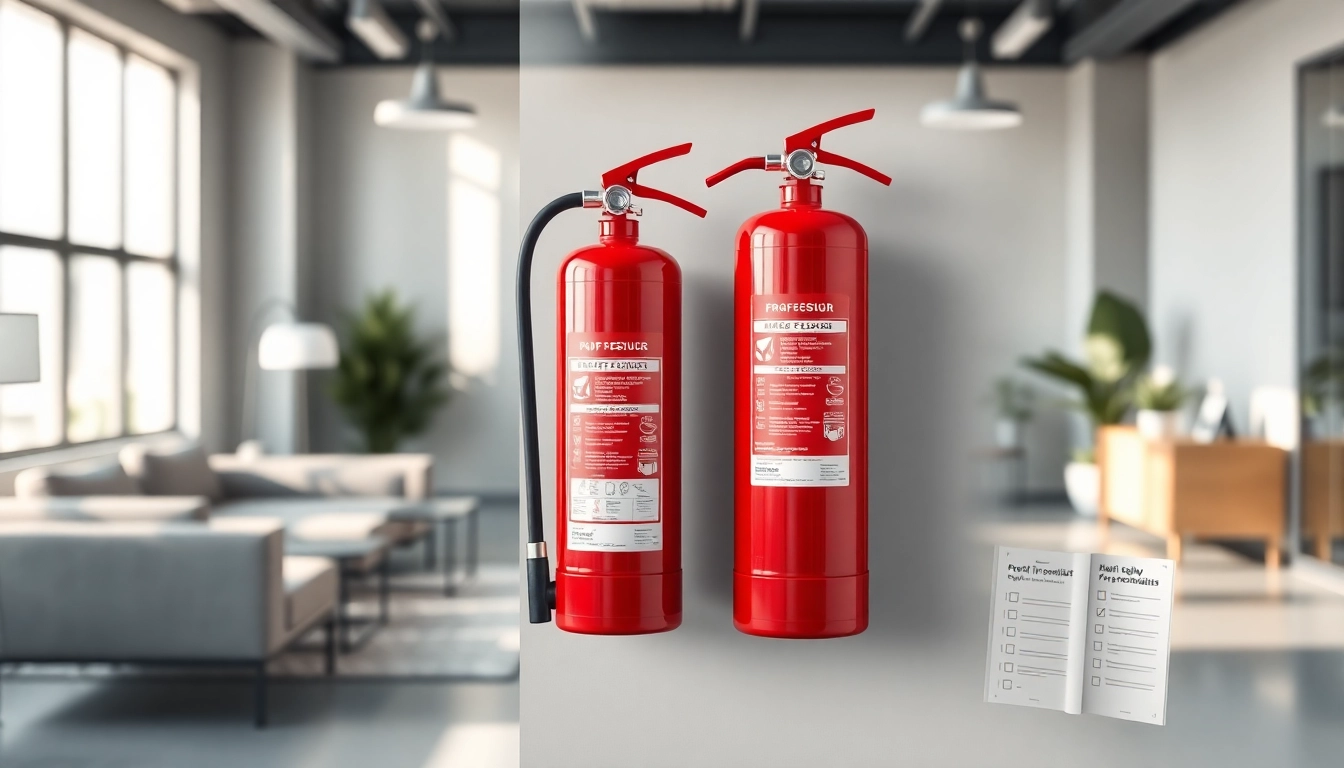
An electrical fire extinguisher is a specialized firefighting device designed to combat fires that are caused by electrical equipment. Unlike standard extinguishers, which may contain water or chemicals that can conduct electricity, electrical fire extinguishers are specifically formulated to extinguish fires fueled by electrical sources safely. These extinguishers are essential in environments such as offices, data centers, and industrial settings where electrical equipment is prevalent and where traditional extinguishing methods could pose additional hazards.
Types of Electrical Fire Extinguishers
Electrical fire extinguishers come in various types, categorized primarily by their extinguishing agents. The most common types include:
- Class C Extinguishers: These extinguishers are specifically designed for electrical fires. They typically use non-conductive agents such as carbon dioxide (CO2) or dry chemicals.
- Class K Extinguishers: Although primarily intended for kitchen fires, some Class K extinguishers can also be used on electrical fires when food oils are involved.
- Multi-Purpose Extinguishers (ABC): These extinguishers can be effective on Class A, B, and C fires. They contain a combination of ammonium phosphate and other agents.
Each type has its specific application and limitations, making it crucial to recognize the right extinguisher for your needs.
When to Use an Electrical Fire Extinguisher
Using an electrical fire extinguisher effectively depends on recognizing the appropriate scenarios. It is critical to use an electrical fire extinguisher when:
- Electrical devices or wiring are ablaze, such as frayed cords, overloaded circuits, or devices that emit smoke.
- The source of the fire is directly connected to an electrical outlet and is not safely switchable off.
- The fire is contained and small enough for an individual to manage without endangering themselves or others.
If the fire is uncontrollable or poses a risk of explosion, evacuation and immediate notification of the fire department is essential.
Recognizing Electrical Fire Risks
Common Causes of Electrical Fires
Understanding the common causes of electrical fires is paramount in prevention. According to the National Fire Protection Association, common causes include:
- Faulty Wiring: Over time, wires can fray, leading to shorts that ignite fires.
- Overloaded Circuits: Plugging too many devices into a single outlet can cause overheating.
- Defective Electrical Equipment: Outdated or poorly maintained electrical devices can malfunction and catch fire.
- Improper Extension Cord Use: Using extension cords as permanent wiring can lead to overheating and fires.
Identifying High-Risk Environments
Certain environments inherently present higher risks for electrical fires. Identifying these areas can aid in implementing preventive measures:
- Offices: With multiple computers and devices often in use, office spaces require stringent adherence to wiring limits.
- Industrial Sites: Many machines and tools operate on high voltage, necessitating robust fire safety measures.
- Residential Homes: Older homes may contain outdated wiring that heightens risk.
- Laboratories and Workshops: The presence of specialized equipment creates a need for additional awareness and protection.
Signs of Potential Electrical Hazards
Awareness of signs that can indicate potential electrical hazards is crucial. These include:
- Frequent tripping of circuit breakers or blown fuses.
- Walls or outlets that feel warm to the touch.
- Burning smells or smoke coming from electrical outlets.
- Visible damage to electrical cords or connectors.
Recognizing these signs early can prevent devastating fire incidents.
Choosing the Right Electrical Fire Extinguisher
Factors to Consider Before Purchase
When selecting an electrical fire extinguisher, several factors are important to ensure effective fire management:
- Type of Electrical Equipment: Assess the specific electrical equipment you engage with to select a compatible extinguisher type.
- Size and Capacity: Evaluate the size of potential fires to determine the appropriate capacity of the extinguisher.
- Location: Extinguishers should be easily accessible; consider wall mounts or quick-release brackets.
- Certification: Look for extinguishers that meet local fire safety standards.
Comparing Different Models
Not all electrical fire extinguishers are created equal. It is essential to compare various brands and models:
- Manufacturer Reputation: Research companies known for reliability and quality in fire safety equipment.
- Technical Specifications: Analyze the fire ratings and effectiveness of different models for electrical fires.
- Price Point: Consider your budget against the level of safety provided by each model.
Regulatory Compliance and Standards
Compliance with fire safety regulations and standards is non-negotiable. Ensure any chosen extinguisher meets:
- The National Fire Protection Association (NFPA) standards.
- Occupational Safety and Health Administration (OSHA) requirements.
- Local fire codes and regulations.
Regular updates in fire safety regulations mean keeping informed is essential for compliance and safety readiness.
Maintaining Your Electrical Fire Extinguisher
Regular Inspection Practices
Maintaining your electrical fire extinguisher is as vital as having one. Regular inspections should include:
- Monthly checks for any visible damage or obstructions.
- Ensuring pressure gauges indicate the correct level.
- Confirming inspection tags are up-to-date with the last service date noted.
Proper Storage Guidelines
Where and how you store extinguishers impacts their accessibility and effectiveness. Follow these guidelines:
- Store extinguishers in easily accessible locations, ideally near exits and high-risk areas.
- Mount extinguishers on walls or use designated cabinets to prevent obstruction.
- Avoid placing extinguishers in extreme temperatures or locations that could compromise their integrity.
How to Refill or Replace Your Extinguisher
Refilling or replacing extinguishers is essential for maintaining readiness:
- Schedule professional refills for used CO2 extinguishers as per manufacturer instructions.
- Replace extinguishers every 5 to 12 years, depending on the manufacturer's guidelines.
- Dispose of outdated extinguishers in accordance with local hazardous waste regulations.
Training and Preparedness
Educating Staff on Fire Safety
Educating employees and other individuals about fire safety protocols is vital. Training sessions should cover:
- Fire extinguisher types and their appropriate applications.
- Understanding the RACE acronym (Rescue, Alarm, Confine, Extinguish) for effective responses.
- Regular reviews of evacuation routes and safety drills.
Conducting Fire Drills Effectively
Fire drills are a critical component of fire preparedness. Effective drills require:
- Scheduling drills regularly to keep responses sharp.
- Ensure all personnel are aware of drill timings to simulate real emergency conditions.
- Evaluating the drills to identify potential areas for improvement.
Evaluating Response Plans for Electrical Fires
Response plans should be continually assessed for efficiency:
- Regular reviews of emergency plans and protocols.
- Incorporating feedback from drills to enhance response strategies.
- Updating contact lists for emergency services to ensure rapid response times.
In conclusion, understanding the importance of an electrical fire extinguisher, recognizing electrical fire risks, selecting the appropriate extinguisher, maintaining it diligently, and training for emergencies are all critical aspects of fire safety. Prioritizing these strategies not only protects individuals but also safeguards property, ensuring a safer environment for everyone.