Understanding Saltwater Fly Fishing: An Introduction
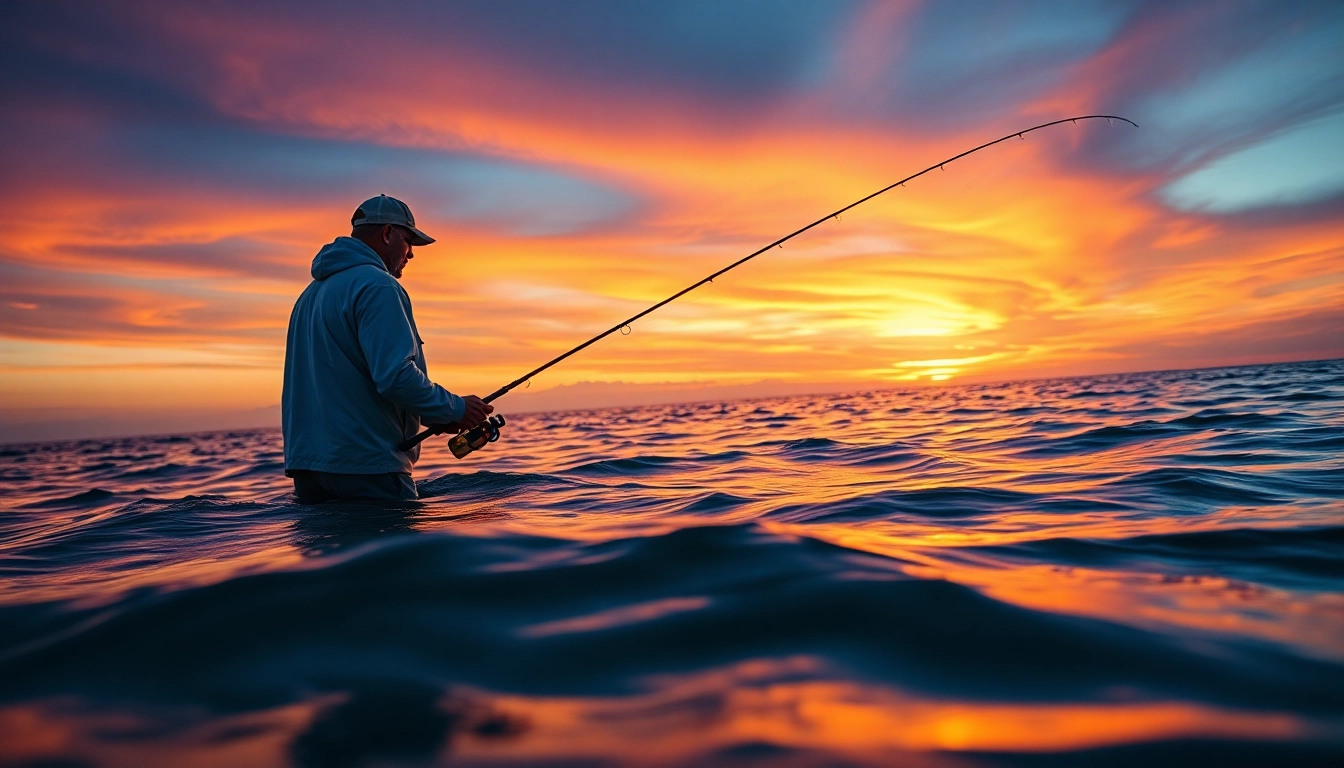
Saltwater fly fishing is an exhilarating and rewarding pursuit that involves casting a fly—a lightweight artificial lure—to entice saltwater fish. Unlike traditional fishing methods that rely on heavier tackle and bait, fly fishing is a nuanced art form that requires skill, knowledge, and precision. This method challenges anglers to understand the behavior of fish in coastal environments while mastering the intricacies of casting. Whether you're planning to fish in the saltwater flats of the Keys, the rocky shores of the Pacific, or the vibrant reefs of the Caribbean, the principles remain the same. Engaging with the craft of Saltwater fly fishing unlocks a profound connection to nature and the aquatic world, enriching both your fishing experience and your understanding of marine ecosystems.
What is Saltwater Fly Fishing?
Saltwater fly fishing differs significantly from its freshwater counterpart due to the unique challenges posed by saltwater environments. Anglers typically target species that thrive in coastal regions, such as tarpon, bonefish, permit, and striped bass. The fly fishing technique requires a specific set of skills, particularly in casting, as the demand for accuracy and distance is heightened by wind and varying water conditions.
Essential Gear for Beginners
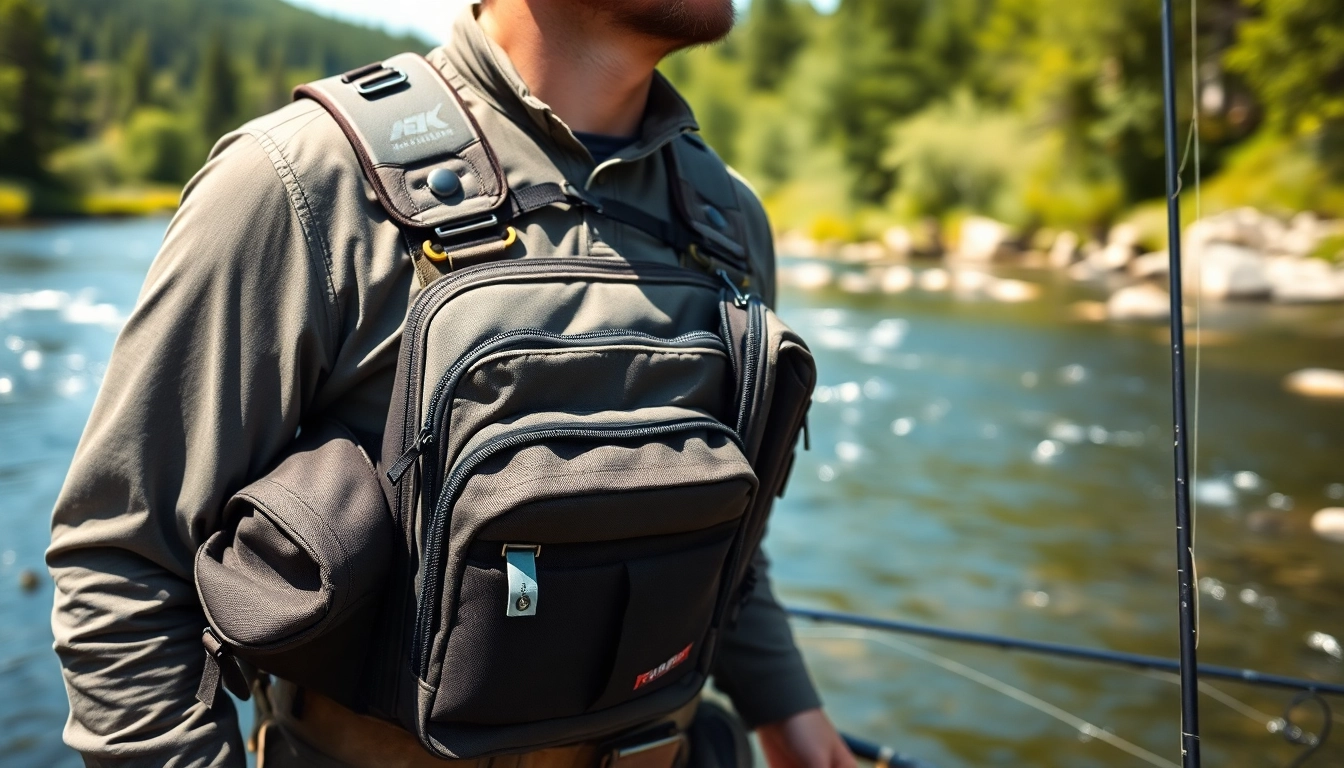
To start your journey in saltwater fly fishing, having the right gear is imperative. Here is a brief outline of essential gear:
- Fly Rod: A rod designed for saltwater, typically ranging from 8 to 12 weight, depending on the species you are targeting.
- Reel: A corrosion-resistant reel with a strong drag system is crucial for battling powerful saltwater fish.
- Fly Line: Weight-forward floating lines are commonly used, but having a sinking line can be beneficial based on the conditions.
- Backing: High-test backing is necessary to manage the long runs of large fish.
- Leaders and Tippet: Strong leaders and tippets designed to withstand abrasion from saltwater species.
- Flies: A variety of flies, specifically designed for saltwater use, including clousers, deceivers, and crab patterns.
- Clothing and Safety Gear: UV-protective clothing, polarized sunglasses, and plenty of water to stay hydrated.
Techniques for Success in Saltwater Fly Fishing
Choosing the Right Casting Method
Effective casting is one of the most critical components of successful saltwater fly fishing. The two primary methods of casting are the double haul and single haul. The double haul involves using both hands to pull the line during the forward and backward casts, which allows for greater distance and control in windy conditions. It is advisable for beginners to practice this technique on land before applying it on water.
Reading the Water: Finding Fish
Understanding water conditions is pivotal in saltwater fly fishing. Factors such as tide, current, structure, and even time of day influence fish behavior. Key areas to concentrate on include:
- Flats: Shallow areas where fish feed.
- Points and Jetties: Where water currents converge, often providing a buffet for hungry fish.
- Underwater Structures: Rocks, reefs, and drop-offs create habitats for various marine life.
Essential Knots for Saltwater Fishing
Using the right knots is essential for ensuring that your line, leader, and flies stay secure. The following knots are particularly useful:
- Improved Clinch Knot: Best for attaching flies to the leader.
- Albright Knot: Ideal for connecting the backing to the fly line.
- Loop Knot: Allows the fly to move more freely in the water.
Gear Maintenance and Preparation
Cleaning and Storing Your Fly Rod
Proper maintenance of your tackle is necessary to prolong its lifespan and performance. After each fishing trip, rinse your fly rod and reel in freshwater to remove salt and sand. Store your rod in a protective case and avoid placing heavy items on it to prevent damage. Regularly check for any signs of wear, especially on guides and threading.
Choosing the Best Fly Patterns
Selecting the appropriate fly patterns is crucial for attracting specific saltwater species. The effectiveness of a fly can depend on the local bait fish and environmental factors. Popular choices include:
- Clouser Minnow: A versatile baitfish imitation.
- Merkin Crab: Perfect for targeting permit.
- EP Baitfish: An effective all-rounder for various species.
How to Maintain Tackle for Optimal Performance
Regular maintenance not only enhances performance but also boosts your confidence while fishing. Here are some tips:
- Inspect your fly lines regularly for cracks and nicks.
- Replace tippets often, especially when fishing in abrasive environments.
- Clean your reels thoroughly, paying special attention to the drag system.
Seasonal Considerations in Saltwater Fly Fishing
Understanding Migratory Patterns of Fish
Fish in saltwater are often migratory, influenced by seasonal changes. Understanding these patterns can lead you to the most productive waters:
- Spring: As waters warm, fish begin to migrate toward spawning areas.
- Summer: Hot weather dictates fish behavior, pushing them toward deeper, cooler waters.
- Fall: A time when fish return to feed heavily before winter.
- Winter: Depending on the region, some species may remain active while others become dormant.
Weather Effects on Saltwater Fly Fishing
Weather conditions can greatly impact fishing success. Stable weather with mild temperatures usually produces better results. In contrast, windy and stormy conditions can challenge casting accuracy. Understanding how to fish in different weather scenarios and when to adjust your approach will help you become a more adaptable angler.
Best Times of Year for Saltwater Fishing
The best time to fish varies by region and targeted species. Generally, dawn and dusk are optimal for many saltwater species due to decreased light and increased feeding activity. Research local fishing reports and conservation regulations to find the peak seasons that can yield the highest catch rates.
Beyond the Basics: Advanced Saltwater Fly Fishing Strategies
Fly Fishing in Different Coastal Environments
Each coastal environment—beach, flat, reef, or estuary—presents unique challenges and opportunities. Developing strategies customized to each setting will enhance your success:
- Beaches: Focus on wave breaking zones where fish tend to congregate.
- Flats: Stealth is crucial; approach slowly while observing baitfish movement.
- Reefs: Target areas with structure; fish will take cover around rocks and ledges.
- Estuaries: Key areas where freshwater meets saltwater; provide rich feeding zones.
Using Technology to Enhance Your Fishing Experience
Today’s anglers have access to advanced technology, including apps for tide predictions, fish finders, and GPS mapping. Incorporating these tools can improve your effectiveness on the water. These technologies help not only in tracking fish but also in navigating through complex marine environments and understanding weather patterns.
Sharing Your Saltwater Fly Fishing Adventures
The advent of social media has made it easier than ever to share your saltwater fly fishing experiences. Documenting your adventures through photographs and videos not only helps you connect with the fishing community but also inspires others to take up the sport. Consider starting a blog or video channel to chronicle your journey, share tips, and connect with fellow anglers.
Whether you're a novice eager to cast your first fly into the salty ocean breeze or a seasoned angler looking to refine your skills, understanding the foundational elements and intricacies of saltwater fly fishing is essential. As you immerse yourself in this dynamic and rewarding sport, take the time to invest in your gear, learn from each experience, and embrace the ever-changing nature of the sea.