
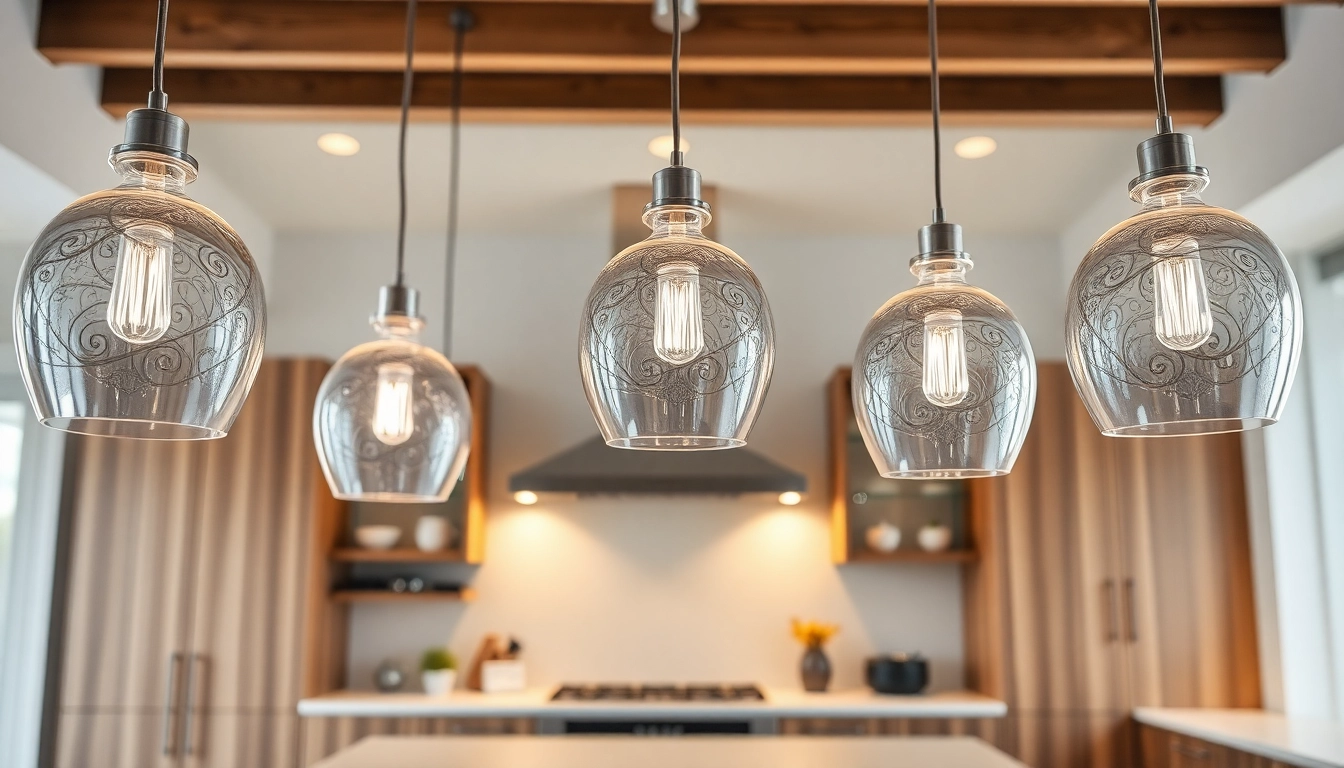
Introduction to Island Lighting Concepts
Lighting plays a pivotal role in transforming any space, and the kitchen island is no exception. This essential area of the kitchen serves multiple purposes—preparation, cooking, dining, and socializing—making the choice of appropriate lighting crucial. Understanding the nuances of island lighting can significantly enhance the functionality and aesthetic appeal of your kitchen. In this comprehensive guide, we'll explore the various aspects of island lighting, helping you make informed choices that elevate your kitchen space.
What is Island Lighting?
Island lighting refers to the direct lighting installed above kitchen islands, specifically designed to illuminate the area effectively while enhancing the overall décor. These fixtures can vary widely in style, shape, and size, catering to both practical needs and aesthetic preferences. From sleek pendants to multi-tier chandeliers, island lighting can range from minimalist designs to bold statement pieces, influencing the kitchen's ambiance.
Importance of Proper Lighting for Kitchens
Proper lighting in the kitchen enhances functionality, safety, and style. It aids in meal preparation by providing sufficient illumination for cooking tasks, thus reducing the chance of accidents. Additionally, well-placed lighting can accentuate decorative elements, making the kitchen a warm and inviting space. Studies have shown that well-lit kitchens can also impact mood and productivity, making lighting a key element of kitchen design.
Overview of Popular Island Lighting Types
Several popular types of island lighting cater to diverse styles and needs. Key types include:
- Pendant Lights: Often hung individually or in clusters, pendants can vary in shape, style, and finish, and are great for providing focused light.
- Chandeliers: Larger than pendants, chandeliers can serve as dramatic focal points, perfect for spacious kitchens.
- Recessed Lighting: These fixtures are embedded in the ceiling, offering a clean look without compromising head space while providing ambient lighting.
- Track Lighting: This flexible option allows homeowners to direct light exactly where needed, ideal for task-oriented areas.
- Under-Cabinet Lighting: Mounted on the underside of cabinets, these lights enhance task lighting and reduce shadows on the work surface.
Choosing the Right Style for Your Island Lighting
Contemporary Lighting Choices
Contemporary island lighting often features sleek designs and clean lines. Materials like chrome, glass, and metals are prevalent, promoting a sophisticated atmosphere. Fixtures such as geometric pendants or linear chandeliers can complement modern kitchen aesthetics, aligning with minimalistic principles while satisfying functional needs.
Rustic and Vintage Inspirations
For those leaning towards a cozier, more traditional style, rustic and vintage-inspired lighting can create a warm and inviting atmosphere. Wooden fixtures, antique finishes, and farmhouse-style pendants can enhance the rustic charm of a kitchen, merging functionality with nostalgia. Options like Edison bulbs can also impart a vintage flair, offering both style and practicality.
Mixing Styles for Unique Designs
Today’s design ethos welcomes eclecticism, encouraging homeowners to mix and match styles for a unique kitchen design. Combining contemporary fixtures with rustic elements, for example, can result in a harmonious balance that reflects personal taste. Layering different light sources and styles can create visual interest, contributing to a well-rounded and dynamic space.
Installation Tips for Your Island Lighting
Measuring Space and Selecting Fixtures
Before selecting island lighting, accurately measuring the kitchen island and the surrounding space is crucial. Consider the height of the ceiling; this factor will determine the scale of fixtures needed. Generally, the bottom of the light fixture should be hung 28 to 34 inches above the island to provide adequate illumination without obstructing sight lines.
Wiring and Electrical Considerations
Lighting installation requires careful attention to wiring and electrical safety. If you plan to alter your existing lighting layout or add fixtures, consult a qualified electrician. They can assess current wiring, check load capacities, and ensure compliance with local building codes. Proper installations will guarantee safety and longevity of your fixtures.
Working with Professional Installers
While DIY projects can be fulfilling, hiring professionals for the installation of potentially complex lighting fixtures may be wise. Experienced installers can ensure that the lighting is appropriately positioned, wired securely, and integrated seamlessly with your home's electrical system. This step will mitigate risks and ensure optimal lighting performance.
Enhancing Ambiance with Island Lighting
Layering Different Light Sources
Creating a well-lit kitchen requires a blend of ambient, task, and accent lighting. Use island lighting as a primary source to provide focused illumination for cooking and serving while integrating other light sources to set the mood. For instance, combining pendant lights with recessed lighting can create a balanced ambiance that caters to various activities.
Dimming Options for Flexibility
Incorporating dimmer switches into your island lighting design offers flexibility and control over the kitchen's atmosphere. Dimming options allow you to adjust brightness based on time of day, mood, or activity, making it easy to transition your kitchen from a bustling breakfast nook to a calming evening space. This adaptability enhances the overall usability and comfort of your kitchen.
Color Temperature and Mood Influence
The color temperature of your lighting fixtures also plays a significant role in setting the mood. Warmer temperatures (2700K-3000K) convey cozy and relaxing vibes, making them suitable for gathering areas. In contrast, cooler temperatures (3500K-4100K) can energize the space, ideal for cooking and focused tasks. Selecting the right color temperature can enhance not only the functionality but the emotional resonance of the kitchen.
Frequently Asked Questions About Island Lighting
How high should island lighting be hung?
The ideal height is between 28-34 inches above the surface of the island for optimal brightness and style.
What types of bulbs are best for island lighting?
LED bulbs are energy-efficient and provide excellent brightness, making them an excellent choice for island lighting fixtures.
Can I use multiple types of lights for my island?
Yes! Mixing styles like pendants, recessed, and under-cabinet lighting can create a stylish, functional design that enhances your space.
How many pendants should I use?
A general rule is to use one pendant for every 2-3 feet of the island length, balancing style and lighting effectively.
Is it easy to replace island lighting fixtures?
Yes, most fixtures can be replaced with some basic DIY skills, especially if you have access to the electrical connections.