What is a Powertrain Extended Warranty?
Definition and Coverage Scope
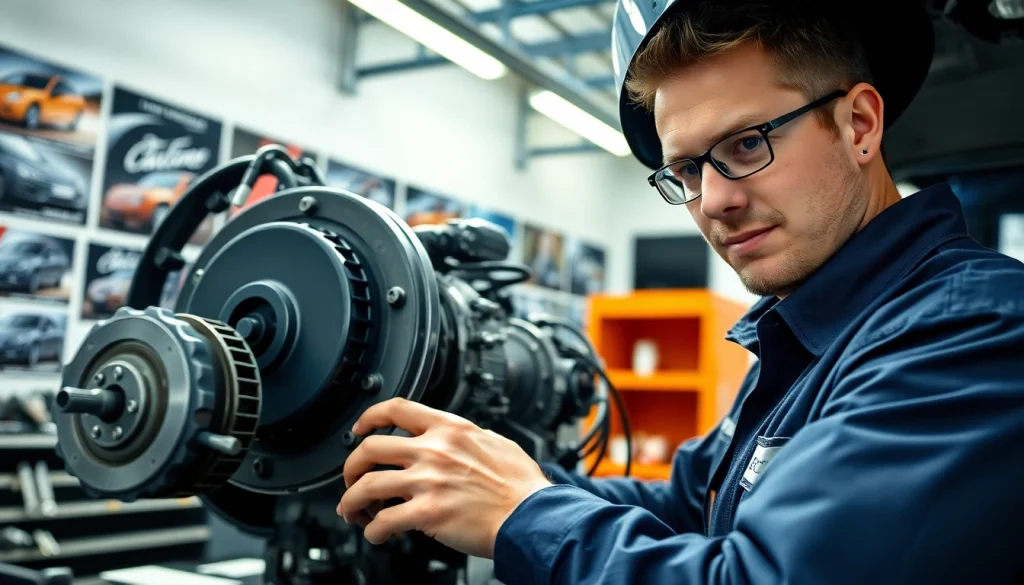
A powertrain extended warranty is a type of vehicle service contract that covers the major components associated with your vehicle’s powertrain—the heart of your vehicle that is responsible for its propulsion. This warranty typically extends beyond the manufacturer’s original warranty, providing added protection against unexpected repair costs. Coverage generally includes critical components such as the engine, transmission, and drive axles, safeguarding you from expensive repairs that could arise as your vehicle ages. By investing in a powertrain extended warranty, you ensure that you are prepared for the potential financial burden of these repairs.
Key Components of Powertrain Coverage
The key components covered under a powertrain extended warranty are crucial for maintaining vehicle performance and reliability. Generally, this includes:
- Engine: Covers repairs to essential engine parts such as the cylinder heads, oil pump, and gaskets.
- Transmission: Protects against transmission failure, including automatic and manual gear systems.
- Drive Axles: Encompasses coverage for front and rear axles, which are vital for transferring power from the transmission to the wheels.
These components are foundational for any vehicle, meaning that their malfunction can lead to extensive repair bills, making this warranty a wise preventative measure.
Limitations and Exclusions
While the powertrain coverage provides significant advantages, it is essential to understand its limitations and exclusions. Common exclusions may include:
- Regular maintenance items like oil changes, tire rotations, and brake replacements.
- Damage resulting from accidents, misuse, or failure to maintain the vehicle properly.
- Components outside the powertrain, such as electrical systems, air conditioning, and bodywork.
Always read the warranty contract thoroughly to understand what is and isn’t covered by the plan you choose.
Why Consider a Powertrain Extended Warranty?
Cost Savings Over Time
Investing in a powertrain extended warranty can lead to substantial savings over time. Repairing major components can easily exceed thousands of dollars, especially if an engine or transmission fails. For example, engine rebuilds can range from $2,500 to $4,500, and transmission replacements can go anywhere from $1,500 to $3,000. By having a warranty, you can alleviate these financial burdens should a catastrophic mechanical failure occur.
Peace of Mind with Vehicle Repairs
Knowing that you have a safety net in case of mechanical failure can alleviate stress related to vehicle ownership. With a powertrain extended warranty, you can drive with confidence, knowing that unexpected repair costs won’t deplete your savings or disrupt your budget. This peace of mind can make vehicle ownership far more enjoyable, allowing you to focus on enjoying the journey rather than worrying about repair expenses.
Enhanced Vehicle Resale Value
A powertrain extended warranty can also enhance the resale value of your vehicle. Prospective buyers are more likely to purchase a used car that comes with an extended warranty since it adds an extra layer of protection against potential mechanical failures. This can enable you to sell your car more quickly and possibly ask for a higher price, offsetting the warranty’s initial cost.
Choosing the Right Powertrain Extended Warranty Plan
Assessing Coverage Options
Not all powertrain extended warranties are created equal, and it is crucial to assess your options based on your driving habits and vehicle type. Some plans may offer broader coverage, while others might have more stringent limitations. Here are critical factors to consider:
- Length of the warranty: Consider how long you plan to keep the vehicle in comparison to the warranty duration.
- Mileage limits: Ensure that the warranty covers your typical annual mileage without exclusions.
- Geographical coverage: Confirm that the coverage applies nationwide if you travel frequently.
Comparing Costs and Benefits
When evaluating different powertrain extended warranty plans, it’s essential to compare costs against the potential benefits. Some things to look into include:
- Deductibles: Some plans may have higher deductibles that can affect overall savings.
- Coverage specifics: Assess what is included in the warranty and what isn’t.
- Reputation of the warranty provider: Research customer reviews and ratings to gauge reliability.
By comparing these aspects, you can find a plan that balances affordability with comprehensive coverage.
Reading the Fine Print
Always take the time to read the fine print of any warranty agreement before making a commitment. Look for:
- Exclusions and limitations: Ensure no critical components or situations are excluded that you might expect to be covered.
- Cancellation policies: Understand your rights regarding cancellation or refunds.
- Transferability: If you plan to sell your vehicle, check if the warranty can be transferred to the new owner.
Being well-informed can prevent surprises down the road and lead to a more satisfactory warranty experience.
Common Misconceptions About Powertrain Extended Warranty
It’s Only for New Cars
One common misconception is that powertrain extended warranties are only advantageous for new vehicles. However, they can provide excellent value for used cars as well. Older vehicles are often at a higher risk for powertrain failures simply due to age and mileage, making the need for coverage even more critical.
It’s Too Expensive
While it is true that some powertrain extended warranties can be costly, evaluating the potential repair costs you might face without a warranty often reveals that it’s a cost-effective choice. Rather than viewing it as an expense, consider it as an investment that can save you from substantial out-of-pocket costs later.
Limited to Major Repairs Only
Some believe that powertrain extended warranties only cover major repairs, ignoring the crucial components included under the umbrella of powertrain coverage. This warranty can cover both significant repairs and certain minor components related to the powertrain that could lead to bigger issues if neglected.
Frequently Asked Questions
What does a powertrain extended warranty typically cover?
A powertrain extended warranty usually covers major components like the engine, transmission, and drive axles, safeguarding against costly repairs.
How long does a powertrain extended warranty last?
Coverage duration varies by plan, often lasting 5-10 years or a specific mileage limit, providing ample time for protection.
Can I transfer my warranty to a new owner?
Yes, most warranties are transferable, which can enhance the resale value of your vehicle.
Are pre-existing conditions covered?
No, typically repairs needed prior to purchasing the warranty are not covered, so ensure your vehicle is thoroughly inspected.
Is a powertrain warranty worth it?
For many, especially with high-mileage vehicles, a powertrain extended warranty can be a wise investment, offering financial protection.