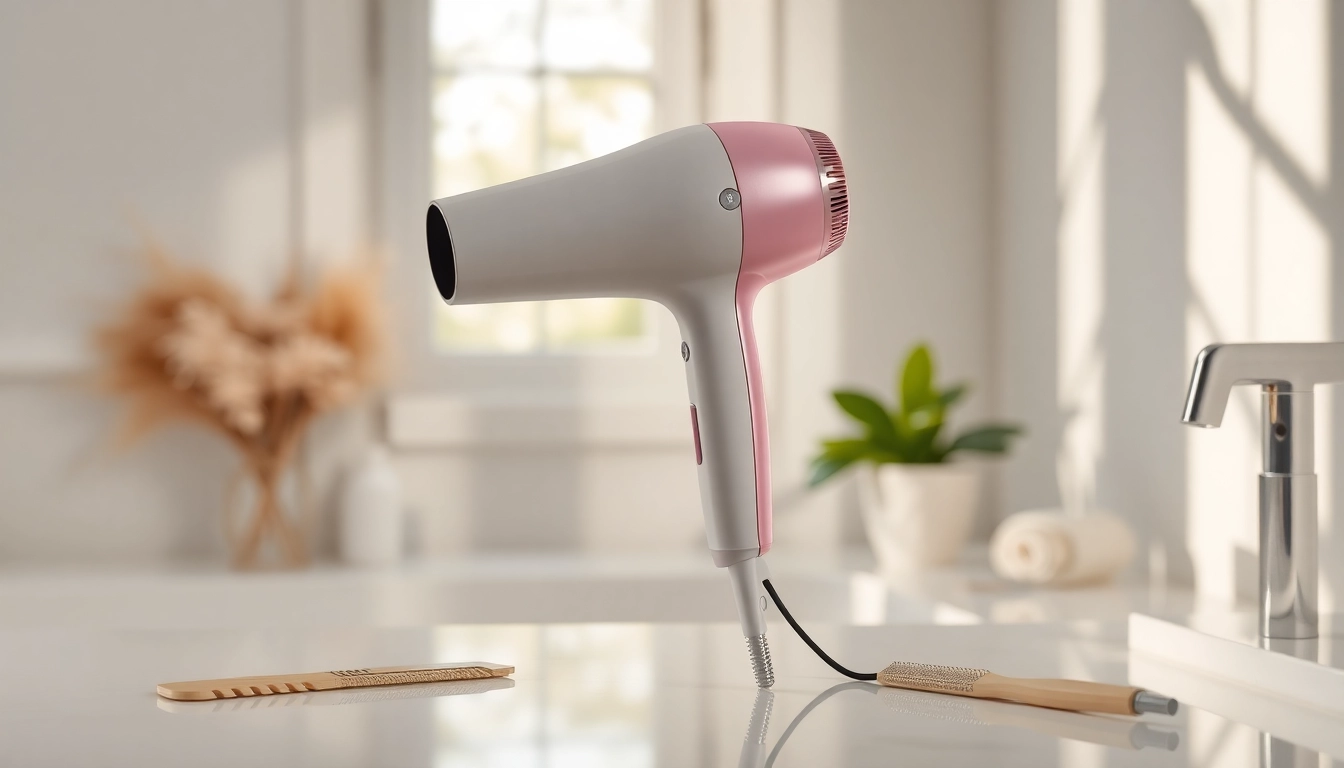
Understanding Frizzy Hair
Frizzy hair can be one of the most challenging hair types to manage, often leading to a chaotic appearance that can leave individuals feeling frustrated. To effectively deal with frizz, it’s essential to understand the nature of frizz itself. Understanding the underlying causes, the impact of environmental factors like humidity, and the different hair types can help you make informed decisions for proper care and styling.
Causes of Frizz
Frizz occurs when the outer layer of the hair, known as the cuticle, is raised. This can be caused by various factors:
- Moisture Loss: When hair loses moisture, it tends to absorb moisture from the air, which causes the cuticle to swell and create frizz.
- Heat Damage: Excessive use of heat styling tools can damage your hair, making it susceptible to frizz.
- Chemical Treatments: Dyes and relaxers can degrade hair structure, increasing susceptibility to frizz by disrupting the cuticle.
- Genetics: Some individuals are genetically predisposed to have frizzy hair, making management more challenging.
Effects of Humidity
Humidity plays a significant role in the appearance of frizzy hair. When the air is humid, it contains a high amount of water vapor. Hair with damaged cuticles absorbs this moisture, causing it to swell and frizz. Notably, individuals with curly or wavy hair are more likely to experience frizz in humid conditions, as their hair structure naturally absorbs more moisture. To combat this, effective styling products that lock in moisture and reduce humidity absorption are crucial.
Hair Types and Frizz
Understanding your hair type is key to managing frizz. Generally, hair can be categorized into three types: straight, wavy, and curly, each with its unique tendencies towards frizz:
- Straight Hair: Often appears sleek but can become frizzy when damaged or in high humidity.
- Wavy Hair: More prone to frizz than straight hair, particularly in humid conditions, due to its looser cuticles.
- Curly Hair: Typically the most susceptible to frizz, as curls can easily absorb moisture, leading to an unkempt appearance.
Choosing the Best Hair Dryer for Frizzy Hair
Selecting the right hair dryer can make a significant difference in managing frizz. The right tool not only dries hair quickly but also helps maintain the hair’s health and prevents frizz. For those struggling with frizz, finding a hair dryer that complements specific hair needs is essential.
Heat Settings
When searching for a hair dryer for frizzy hair, consider those with multiple heat settings. High heat can damage hair, stripping it of moisture and promoting frizz. Thus, select a dryer that allows you to adjust the temperature to a lower setting for more delicate areas and use a higher setting for quick drying. Using the cool setting at the end of your drying routine can help lock in shine and minimize frizz.
Ionic Technology Explained
Ionic hair dryers are designed to emit negative ions, which help to break down water molecules more quickly, leading to faster drying times. This technology not only reduces drying time but also minimizes heat exposure, significantly reducing the likelihood of frizz. For those battling frizz, investing in a hair dryer with ionic technology can be a game changer, promoting smoother results.
Features to Look For
When choosing a hair dryer specifically to combat frizz, look for the following features:
- Diffuser Attachment: Ideal for curly hair, diffusers distribute heat evenly without disrupting natural curls.
- Low Noise Level: A quieter hair dryer can make the drying process more pleasant and less stressful.
- Lightweight Design: A lightweight dryer reduces hand fatigue during styling.
Effective Drying Techniques to Reduce Frizz
Even the best hair dryer will not fully eliminate frizz if not used correctly. Employing effective drying techniques is vital for achieving smooth, frizz-free hair. Follow these practical steps during your drying routine to achieve optimal results.
Pre-Dry Preparation
Before using a hair dryer, prepare your hair appropriately to minimize frizz:
- Wash with Moisturizing Shampoo: Choose a sulfate-free shampoo that hydrates your hair, helping to maintain moisture balance.
- Use Conditioner: Opt for a rich conditioner to smooth the cuticle and prepare hair for drying.
- Apply Leave-In Products: Consider anti-frizz serums or leave-in conditioners that can protect hair from heat damage and increase moisture retention.
Drying Methods
How you use the hair dryer is crucial in reducing frizz. Here are some effective drying methods:
- Blow-Drying with a Round Brush: Using a round brush while blow-drying can help smooth hair, creating volume and reducing frizz.
- Drying with the Head Down: For added volume, dry hair upside down, focusing on the roots, before flipping it back and styling as desired.
- Cold Shot Feature: Frequently use the cool shot feature to seal the cuticles after drying and enhance shine.
Finishing Touches
Once your hair is dry, employ these finishing touches for flawless results:
- Lightweight Oil or Serum: Applying a small amount of lightweight hair oil or serum can tame any remaining frizz and add shine.
- Avoid Touching Hair: Once styled, avoid touching your hair to prevent frizz and maintain the style.
- Use a Silk Pillowcase: Sleeping on silk can help reduce friction and frizz overnight.
Product Maintenance for Your Hair Dryer
To ensure longevity and optimal performance, proper maintenance of your hair dryer is essential. Neglecting maintenance can lead to decreased efficiency and increased risk of damage to your hair.
Cleaning Tips
Regular cleaning of your hair dryer is crucial. Consider these tips:
- Unplug Before Cleaning: Always unplug your hair dryer before attempting any cleaning.
- Remove the Filter: Many hair dryers have removable filters. Clean them regularly to prevent lint buildup, which can impact performance.
- Wipe Down the Exterior: Use a damp cloth to clean the exterior, removing dust and product build-up.
Storage Best Practices
Storing your hair dryer correctly can prolong its life:
- Avoid Overheating: Store your dryer in a cool, dry place to prevent heat damage.
- Avoid Cord Wrapping: Never wrap the cord tightly around the dryer; instead, gently loop the cord for storage.
Longevity of Your Hair Dryer
To maximize the life of your hair dryer, aim to use it wisely. Regularly check and replace worn-out parts, and ensure your dryer does not operate excessively hot. Investing in a quality hair dryer also contributes to its longevity.
FAQs about Hair Drying for Frizz Control
What heat setting is best for frizzy hair?
Using a lower heat setting is ideal for frizzy hair to prevent damage. Mid-range heat is sufficient to dry hair without promoting frizz.
Can a good hair dryer help with frizz?
Yes, choosing a quality hair dryer with features like ionic technology can significantly reduce frizz and improve the overall finish of your hair.
How often should I clean my hair dryer?
Cleaning your hair dryer every 1-2 months is recommended to maintain optimal performance and prevent dust accumulation.
Is ionic technology a must for frizzy hair?
While not mandatory, ionic technology can greatly assist in reducing frizz and making hair smoother, making it highly recommended for frizzy hair.
What are the signs my hair dryer is failing?
Signs of a failing hair dryer include decreased heat output, strange noises, burning smells, or if it turns off unexpectedly during use.
For more information on the best Hair dryer for frizzy hair, including user reviews and comparisons, consider reviewing various options available on the market.